
How to Choose Sunglasses Lens Colors? Which Colors Might Damage Your Eyes?
Health Information
June 22, 2024
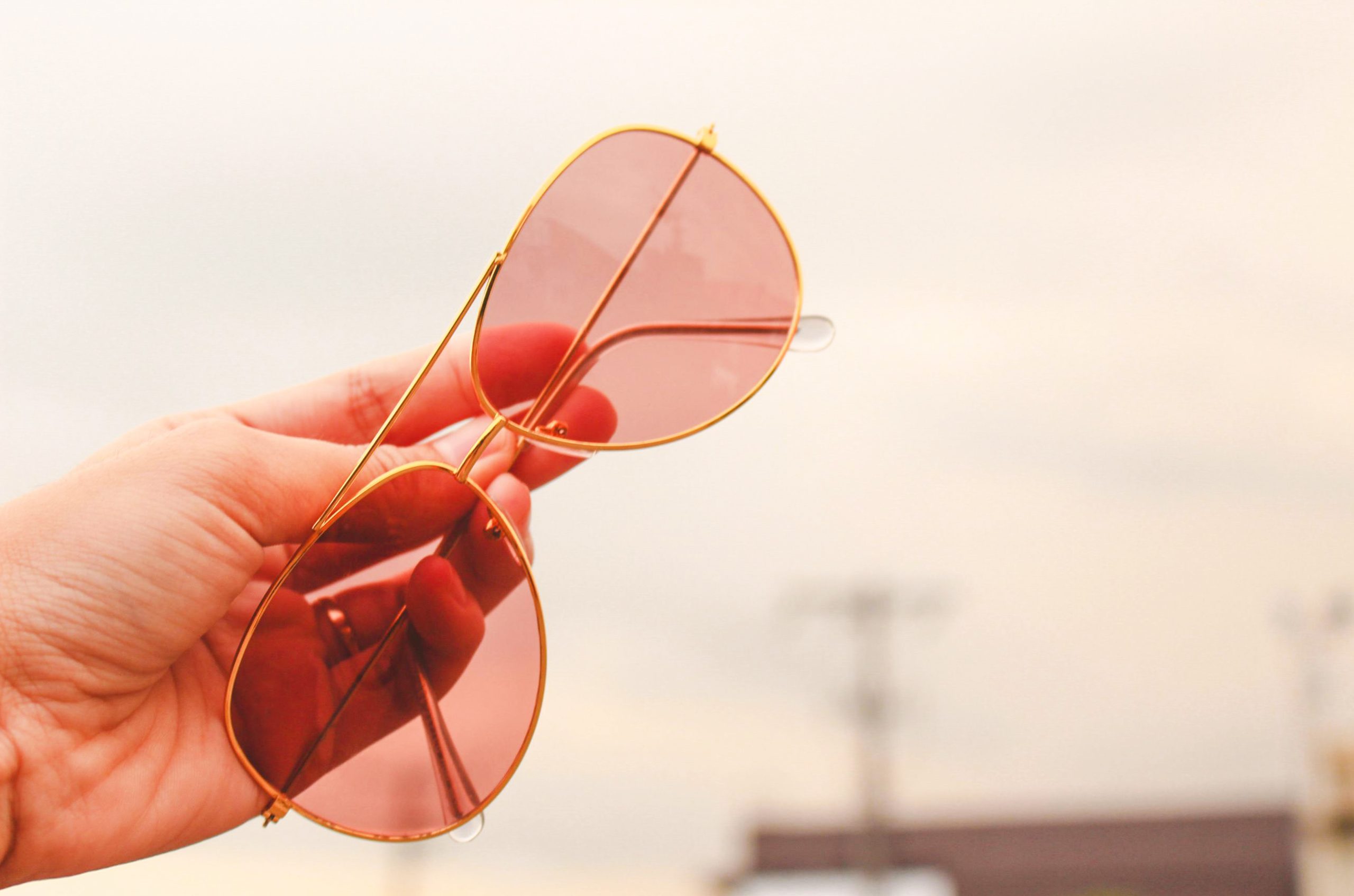
Choosing the right lens color for your sunglasses is crucial for both comfort and eye protection. Different lens colors serve different purposes, and understanding their benefits and potential drawbacks can help you make an informed decision. Let’s delve into the factors to consider when selecting sunglasses lens colors and identify which colors might be harmful to your eyes.
Factors to Consider When Choosing Lens Colors
- Purpose and Environment:
- Driving: Gray lenses are ideal for driving as they reduce overall brightness while preserving natural color balance.
- Water Activities: Polarized lenses in shades like green or blue can reduce glare from the water surface.
- Outdoor Sports: Brown or amber lenses enhance contrast and depth perception, making them suitable for sports like golf or tennis.
- General Use: Gray and brown lenses are versatile and suitable for everyday activities.
- Light Conditions:
- Bright Light: Darker lenses, such as gray or brown, are better suited for bright conditions as they reduce glare and eye strain.
- Low Light: Yellow or amber lenses can enhance contrast and depth perception in low-light conditions, making them ideal for dawn or dusk.
- UV Protection:
- Regardless of the lens color, ensure that your sunglasses offer 100% UV protection. UV rays can damage the eyes and contribute to conditions like cataracts and macular degeneration.
Lens Colors and Their Effects
- Gray Lenses:
- Benefits: Gray lenses reduce overall brightness while preserving color accuracy, making them excellent for driving and general use.
- Drawbacks: None significant; they provide natural vision and are a safe choice for most activities.
- Brown/Amber Lenses:
- Benefits: Enhance contrast and depth perception, reduce glare, and improve visual clarity in variable light conditions.
- Drawbacks: May slightly alter color perception, which can be a minor inconvenience.
- Green Lenses:
- Benefits: Reduce glare, enhance contrast, and provide good color balance. Suitable for most outdoor activities.
- Drawbacks: Minimal; generally safe and effective for a variety of conditions.
- Yellow/Gold Lenses:
- Benefits: Improve contrast and depth perception in low-light conditions, reduce haze and blue light.
- Drawbacks: Not suitable for bright conditions as they don’t reduce overall brightness effectively.
Colors That Might Damage Your Eyes
While most lens colors are safe when chosen correctly, some colors might cause discomfort or damage if used improperly:
Blue lenses can let in more blue light, which is associated with digital eye strain and potential long-term damage to the retina. They are not recommended for prolonged use in bright sunlight.
Dark lenses that do not offer UV protection can be harmful as they cause the pupils to dilate, allowing more UV rays to enter the eyes. Always ensure your sunglasses have adequate UV protection.
Recommended Sunglass Lenses from Chuen Fung Spectacles
When choosing sunglass lenses, Chuen Fung Spectacles offers a range of high-quality lenses to meet various customer needs. The advantages of Chuen Fung’s sunglass lenses include:
Chuen Fung uses high-quality materials to manufacture their lenses, ensuring durability and comfort.
Chuen Fung’s sunglass lenses provide 100% UV protection, effectively preventing UV rays from damaging your eyes.
Whether you prefer gray, brown, green, or yellow lenses, Chuen Fung offers a variety of options suitable for different environments and needs.
Chuen Fung adopts ISO 12312 standards to ensure the quality of each lens.
By choosing sunglass lenses from Chuen Fung Spectacles, you can effectively protect your eyes while enjoying a comfortable and stylish wearing experience.
Whether for driving, sports, or daily use, Chuen Fung has the perfect sunglass lenses for you.
Conclusion
Selecting the right lens color for your sunglasses involves considering the intended use, light conditions, and ensuring UV protection. Gray and brown lenses are versatile and safe for most activities, while specialized colors like yellow or green can enhance performance in specific environments. Avoid lenses that allow excessive blue light or lack UV protection, as they can cause eye strain and long-term damage. By choosing wisely, you can protect your eyes and enhance your visual experience.
